
Description
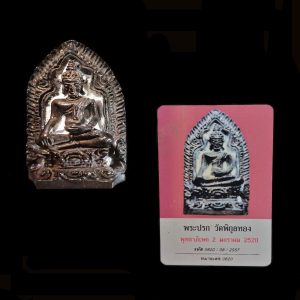
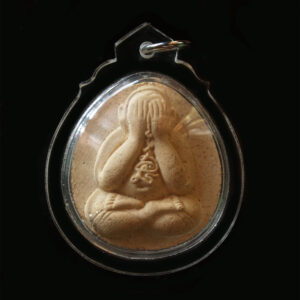
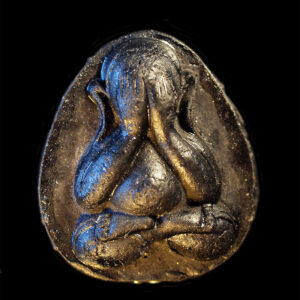
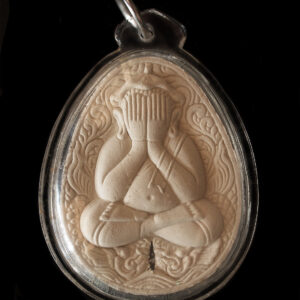
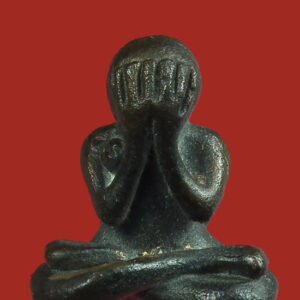
Pra Pitda Maha Lap Amulet
Blessed by Ajahn Jek (Luang Pu Jek Thitadhammo)
Wat Khao Daeng Tawan Tok, Phatthalung – B.E. 2528
The Pra Pitda Maha Lap amulet created by Luang Pu Jek (Ajahn Jek) of Wat Khao Daeng Tawan Tok, Phatthalung Province, is a highly respected sacred object from the Southern Thai mystical tradition. Produced in B.E. 2528 (1985), shortly before Luang Pu Jek’s passing, this amulet is widely regarded as one of his most important and spiritually complete creations.
This small-size (Phim Lek) edition was produced in very limited numbers, approximately 1,000 pieces, making it particularly sought after by serious collectors and practitioners alike.
Sacred Material and Creation
This Pra Pitda was cast in Nawaloha (Nine Sacred Metals), a revered alloy traditionally used for powerful amulets due to its balanced spiritual and elemental properties. The metal composition strictly follows the Khao Or (เขาอ้อ) esoteric formula, one of the most ancient and respected magical lineages in Southern Thailand.
The alloy was expertly prepared by Ajahn Sri-Ngern of Wat Don Sala, a renowned master in sacred metallurgy. The mixture includes:
-
Nawaloha sacred metal
-
Maha Sattaloha (seven sacred metals)
-
“Chao Nam Ngern” (a rare proprietary alloy formula of Ajahn Sri-Ngern)
-
Authentic sacred metal remnants from previous ritual castings
The result is an amulet with exceptional density, fine detail, and strong spiritual resonance.
Triple Consecration Ceremony
The Pra Pitda Maha Lap underwent three separate consecration ceremonies, greatly enhancing its spiritual potency:
-
Six-month solo consecration by Luang Pu Jek at Wat Khao Daeng Tawan Tok
-
Secondary consecration by Ajahn Sri-Ngern at Wat Don Sala
-
Final group consecration, performed alongside sacred objects including Phra Pitda, Phra Sangkatjai, and sacred images by Luang Phor Lek of Wat Pradu Riang
This multi-stage consecration process reflects exceptional care and adherence to orthodox ritual practice.
Spiritual Power of Pra Pitda Maha Lap
Pra Pitda amulets symbolise closing off misfortune while opening the path to prosperity. In Luang Pu Jek’s tradition, Pra Pitda is especially associated with:
-
Maha Lap – wealth, fortune, and abundance
-
Protection from obstacles, harm, and negative influences
-
Stability in livelihood and business
-
Strong personal safeguarding and spiritual shielding
Devotees often report increased financial flow, reduced hardship, and a sense of calm protection after enshrining this amulet.
Collector and Practitioner Value
The Pra Pitda Maha Lap of Luang Pu Jek stands out for several key reasons:
-
Limited production of approximately 1,000 pieces
-
Created during the final year of Luang Pu Jek’s life
-
Authentic Khao Or lineage metallurgy
-
Triple consecration by elite Southern masters
-
Strong reputation for wealth and protection
For collectors, this amulet represents a rare convergence of lineage, material, ritual, and historical significance. For practitioners, it is a trusted companion for prosperity, safety, and spiritual resilience.
The Life and Lineage of Luang Pu Jek Thitadhammo
Luang Pu Jek Thitadhammo (born Jek Manawi, 10 September B.E. 2445 / 1902) was one of Phatthalung’s most revered meditation masters and miracle-working monks. He entered monastic life at a young age, first as a novice at Wat Jintawas, where he studied Khmer scripts, Buddhist texts, and basic mystical arts.
His advanced esoteric training was conducted under several legendary Southern masters, most notably:
-
Luang Pu Thong – Wat Prachim Thitsaram, a master of invincibility magic, alchemy, yantra, bone-setting, and herbal medicine
-
Luang Pu Mek Punnasaro, famed for advanced spiritual attainments
-
Numerous other respected monks across Phatthalung, Songkhla, and Nakhon Si Thammarat
Luang Pu Jek was especially renowned for:
-
Kongkraphan Chatri (invulnerability and protection)
-
Maha Ut (weapon-stopping magic)
-
Creation of powerful takrut and protective amulets
-
Sacred alchemy and metal transmutation
-
Herbal medicine capable of treating severe illness, poisoning, skin disease, and even shattered bones
His bone-setting oil and herbal remedies were legendary, with many accounts of patients avoiding amputation or permanent disability.